
Skip to content

Cerebral Ballzy Fun

Menu

Menu

Cerebral Ballzy Fun

Menu

Menu

Monthly Archives: October 2023

Music and Emotion: The Psychology of What We Listen To

Music has long been acknowledged as a potent emotional conduit capable of eliciting a wide range of emotions. Music’s ability to impact our emotional states is generally accepted, from the solemn notes of a classical requiem to the upbeat rhythms of a pop hit. But what is it about music that makes it such a powerful emotional medium? And how do our brains process these sonic elements to generate specific feelings? In answering these questions, we dive into the psychology of music and emotion, giving light on why certain songs strike a deep emotional chord with us.

The Neuroscience of Music and Emotion

To understand how music affects our emotions, we must first understand the neurological mechanisms at work. Music stimulates several brain areas, including the amygdala, which is connected with emotional processing, and the dopamine-releasing reward circuits. When these brain networks are engaged, emotional responses ranging from joy and enthusiasm to melancholy and nostalgia are elicited. It’s a complicated interaction between cognitive processing and emotional arousal, made possible by the auditory system of the brain and its links to emotional regions.

Emotional Markers in Music

One of the ways music elicits emotion is through specific musical markers. These are elements that inherently possess emotional qualities and are universally understood, irrespective of cultural background.

Key Emotional Markers in Music:

  • Melody: A catchy, ascending melody often elicits feelings of happiness and excitement, while a descending melody may evoke a sense of sadness or contemplation.
  • Rhythm: A fast tempo typically arouses energetic or positive emotions, while a slower tempo can induce feelings of calm or melancholy.
  • Harmony: Major chords are generally associated with uplifting or peaceful emotions, whereas minor chords tend to evoke darker or sadder feelings.
  • Lyrics: The narrative or message of the song can significantly impact its emotional tone. Lyrics can reinforce or juxtaposed against the emotion conveyed by the musical elements.
  • Volume and Dynamics: Crescendos and decrescendos can intensify emotional reactions, while abrupt changes in volume can generate surprise or suspense.

Cultural and Personal Factors

While there are universal markers, the emotional impact of music is not entirely objective. Cultural background and personal experiences play pivotal roles in shaping our emotional responses to music. For example, a melody that evokes nostalgia in one person may have no emotional significance for another. Similarly, certain genres of music may be emotionally resonant in specific cultural contexts but not in others.

Importantly, these cultural and personal factors can also extend to traditions and rituals where music plays a significant role. In various cultures, certain types of music are strongly associated with specific ceremonies, festivals, or rites of passage. These associations deeply engrain emotional responses to particular musical elements, creating a layer of emotional complexity that transcends mere auditory experience. As a result, what might be a purely joyful melody in one cultural context might evoke solemnity or even sorrow in another, highlighting the inextricable link between our cultural heritage and emotional interpretation of music.

Emotional Regulation and Coping

Music is often used as a tool for emotional regulation. People frequently listen to specific tracks or genres to elevate their mood, cope with stress, or immerse themselves in contemplation. Various therapeutic practices employ music to evoke specific emotional states, such as relaxation or concentration, demonstrating its effectiveness as an emotional modulator.

Furthermore, the intentional use of music for emotional regulation has given rise to subfields like music therapy, where trained professionals employ music-based interventions to address various emotional and psychological issues. The efficacy of such therapeutic approaches is backed by an increasing body of research, affirming the power of music to serve as an emotional catalyst in clinical settings. This extends beyond merely listening to music; the act of creating music—whether through singing, playing instruments, or even composing—can also be a powerful form of emotional expression and regulation.

Conclusion

Music is a powerful emotional medium that is inextricably tied to psychological processes. Its strength is in its capacity to transmit a wide range of emotions via a complicated neural network and diverse musical components. Understanding the psychology behind this can enhance our perception of music and help us maximize its healing potential.

To summarize, the psychology of what we hear is a dynamic area that encompasses both universal truths and particular idiosyncrasies. Music’s association with emotion is rich and multidimensional, ranging from neurological pathways to emotional indicators, cultural effects to therapeutic applications, making it one of the most exciting issues in both the arts and sciences.

Post Category
Posted on 10/27/2023

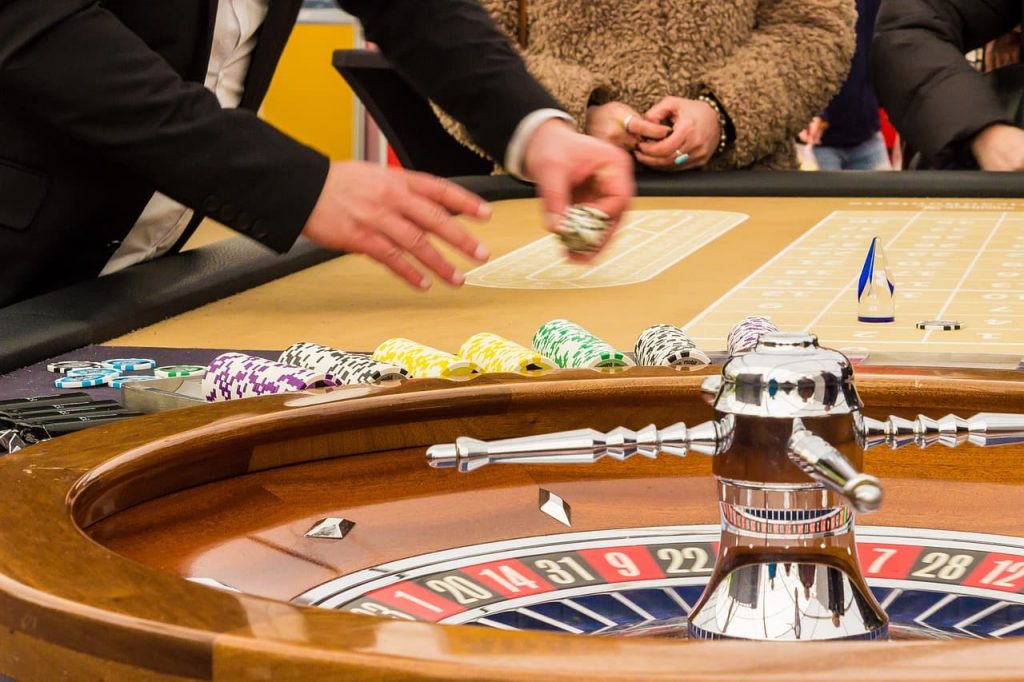
How Music Sets the Mood in Casinos: A Psychological Perspective

If you’ve ever stepped into a casino, one of the first things you’ll notice, apart from the bright lights and fast-paced action, is the music. It’s an important aspect of the casino experience, and it’s frequently carefully selected to create a certain vibe. The music played in these havens of amusement can subtly (or not-so-subtly) alter our behavior, mood, and general involvement with the area. Understanding this phenomena necessitates a study of behavioral, emotional, and environmental theories. But first, examine the significance of casino reviews in establishing expectations, since they, too, contribute to our psychological preparation for the casino experience.

One place to start is by reading comprehensive casino reviews, such as the overview of Pin-Up Casino on https://expofestaseparques.com.br/casino/kto/. These reviews offer an initial glimpse into the kind of atmosphere one might expect, often mentioning the ambiance and entertainment features, which include music. Knowing what kind of environment to expect can actually have a preliminary impact on our psychological state, priming us for the experience to come. While reviews focus on various aspects such as games, bonuses, and customer service, the environmental aspects like music shouldn’t be overlooked.

The Power of Tempo and Rhythm

Tempo is a crucial factor in setting the mood. Upbeat, fast-tempo music can make people move more quickly and even spend less time deliberating on gaming decisions. On the other hand, a slow-tempo sound can induce a sense of relaxation, encouraging visitors to spend more time and, consequently, consume more food and beverages. It can also make them deliberate longer on gaming decisions, prolonging their stay at the tables or slot machines.

The Genre Matters

Different genres have unique psychological impacts. Classical music, often associated with sophistication and elegance, can make a casino appear more upscale. In contrast, pop and rock music might create a lively, youthful ambiance. Country music, with its often-relatable lyrics and melodies, could generate a more laid-back, homely atmosphere.

Psychological Tricks and Audio Landscaping

The strategic use of soundscapes or ‘audio landscaping’ involves placing different types of music in various zones within the casino. For instance, the entrance may feature high-energy, welcoming tunes, while the areas near the poker tables might have softer, more contemplative music to allow for concentration.

Key Psychological Aspects Influenced by Music in Casinos:

  • Arousal Levels: Fast music can increase arousal levels, making players more excited and willing to take risks.
  • Time Perception: Slow music may distort a gambler’s perception of time, making them play longer.
  • Cognitive Functions: Soft, instrumental music might improve concentration and decision-making at card tables.
  • Emotional Impact: The right soundtrack can either amplify joy during wins or alleviate stress during losses, affecting the overall mood and satisfaction level.

The Ethical Perspective

While the influence of music on behavior can offer a competitive edge to casino operators, there are ethical considerations. A line must be drawn between creating an engaging atmosphere and manipulating behavior to the point of promoting irresponsible gambling. The use of music to drastically alter mood and behavior in casinos walks a delicate ethical line, balancing entertainment and potential exploitation.

Certainly, diving deeper into the ethical perspective necessitates examining the concept of “informed consent.” Patrons entering a casino are generally aware that the environment is designed to encourage gaming, but they may not fully realize the extent to which elements like music can subconsciously influence their behavior. While it is the responsibility of individuals to manage their own actions, there is a broader ethical obligation for casino operators to ensure that their use of psychological cues like music doesn’t veer into manipulative territory. This is especially pertinent given the potential for gambling addiction and financial hardship. Thus, transparency about how music and other elements are used to create the atmosphere could be considered an ethical imperative, possibly implemented through signage or even digital apps that inform patrons about the sensory design of the space they are entering.

Conclusion

Understanding the psychological influence of music in casinos benefits not only casino operators but also customers. Whether you are a casual visitor or a frequent gambler, understanding how music influences your behavior is an important element of taking an intelligent approach to entertainment. The effect of music is a subtle, continuing experience that begins the moment you step into the casino, and reviews offer as a preliminary clue to what to anticipate. Music at casinos is more than simply background noise; it’s a highly organized element meant to set the tone and affect behavior in this specific setting, from pace and genre to the ingenious use of audio landscaping.

Post Category
Posted on 10/27/2023
https://www.youtube.com/watch?v=RuVnlOzYe-w
  • Main Page
  • Post Category
  • Cerebralballzy disco
  • Cerebral Ballzy Story
  • Julian Casablancas in Cerebral Ballzy video
  • About
  • Contact
  • Privacy Policy
Theme by SiteOrigin.
  • Main Page
  • Post Category
  • Cerebralballzy disco
  • Cerebral Ballzy Story
  • Julian Casablancas in Cerebral Ballzy video
  • About
  • Contact
  • Privacy Policy